
If you think AI is just a faster search bar or a fancy autocomplete, you’re using it wrong and missing its biggest advantage. The true potential of AI isn’t about speed; it’s about amplification. When you shift from simply “using AI” to “working with AI,” you unlock a new level of idea generation, problem-solving, and innovation.
Stanford’s creative experts call this the next frontier of AI-powered creativity and you can start mastering it in just 13 minutes.
You’re Using AI Completely Wrong
The average person treats AI like a quick tool: type a prompt, grab a result, and move on. But that mindset traps you in mediocrity. The difference between okay results and breakthrough creativity lies in how you think about AI. Stop treating it like a vending machine. Start treating it like a teammate.
A teammate asks questions, adapts to your feedback, and improves over time. Once you adopt that perspective, the quality of your ideas, workflows, and insights will improve exponentially.
The Shift: From Tool to Teammate
Stanford’s creativity experts like Jeremy Utley emphasize this mindset shift. The goal is not to make AI serve you; it’s to collaborate with it. Instead of asking a single question and accepting the first output, create a feedback loop:
- Let AI ask you clarifying questions.
- Give feedback like you would to a human colleague.
- Ask for more variations.
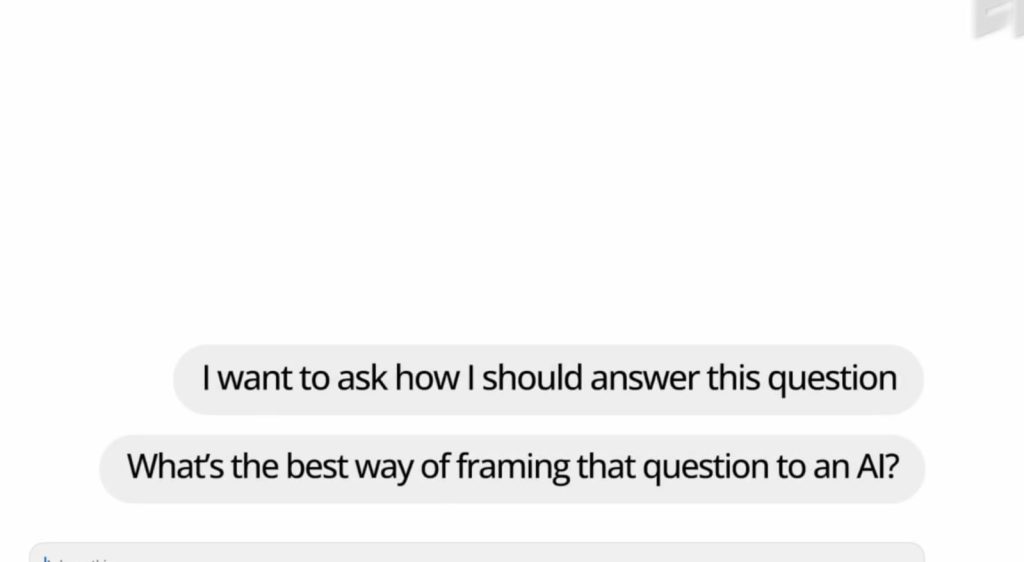
That’s how AI-powered creativity begins. When you coach the AI, it starts mirroring your tone, goals, and problem-solving style and suddenly, it stops sounding generic.
Eliminate the Boring Work First
Stanford’s approach to teaching AI collaboration starts with one simple idea: automate the work you hate. Every professional has tasks that drain their energy forms, reports, repetitive emails. Those are your first AI training grounds.
Try this: Ask AI, “What’s one boring task I do weekly that you could automate or speed up?”
Once you offload a few of these chores, you’ll have more time and energy to focus on creative, high-value work. That’s where innovation thrives.
Creativity Isn’t Magic — It’s Volume and Variation
A seventh grader once defined creativity as “doing more than the first thing you think of.” It’s simple but profound. AI makes it dangerously easy to stop at the first “good enough” result. But if you want standout ideas, go for volume and variation.
Ask for 20 versions. Combine the best ones. Give feedback. Repeat.
The key to AI-powered creativity isn’t brilliance; it’s persistence and disciplined iteration. The best ideas usually come after the 10th try, not the first.
How to Learn AI in Just 13 Minutes
You don’t need a Stanford degree to get started. Here’s a focused, 13-minute daily routine to begin mastering how to work with AI, not just use it.
Minute 0–1: Set Up
Open your favorite AI tool (like ChatGPT or Gemini). Create a new chat titled with your current task such as “Marketing Idea Sprint,” “Lesson Plan,” or “Project Brief.” Clear distractions.
Minute 1–4: Define Your Objective
Write one clear sentence about what you want to achieve. Then paste 2–3 short examples of work you admire and say:
“Here’s my goal and a few examples I like. Please ask me clarifying questions until you understand my intent.”
Let the AI ask questions; this teaches it to think like a teammate.
Minute 4–7: Generate Volume
Tell it:
“Create 12 quick variations of this idea.”
Skim the results and mark your top 3. Then say,
“Combine the best parts of these three into one hybrid version.”
You’ll see how fast diversity leads to creativity.
Minute 7–9: Coach and Improve
Pick one output and critique it.
“This is close, but make it warmer and simpler.”
Ask the model to justify its changes, this builds mutual understanding.
Minute 9–11: Automate Something Small
Take a repetitive text-based task (like a status update or report) and ask:
“Can you make a reusable template I can fill in weekly?”
Save and test it. You’ve just automated a piece of your work in minutes.
Minute 11–13: Reflect and Plan
Ask the AI:
“What three small ways can I use you more effectively next week?”
Pick one and schedule it. Reflection helps the skill stick.
That’s it, you have productively used 13 minutes of your day to build real, hands-on fluency in AI-powered creativity.
Coach AI Like a Human
Think of AI like an intern who improves with direction. If a human teammate delivered subpar work, you’d give feedback. Do the same here.
Say: “This sounds generic; make it more specific to startups.”
or
“You misunderstood my goal. Here’s what I actually meant.”
Feedback refines context and context fuels quality. Treat your AI as trainable, and it will start thinking with you, not just for you.
Read More: The Ultimate AI Showdown: Finding the Best AI Chatbot 2025
Inspiration Is a Discipline
Inspiration doesn’t strike by accident, it’s cultivated. The best creators at Stanford feed their AI models with intentional inputs: fresh case studies, quotes, or visuals.
Before your next session, gather:
- 3 examples of work you love
- 2 clear constraints
- 1 metric for success
Feed those in, and the model will produce higher-quality ideas. AI amplifies what you bring to it, so bring better inspiration.
Experiment Small, Learn Fast
AI isn’t about one perfect result; it’s about fast feedback. Use it to run micro-experiments and test three versions of a headline, email, or campaign. Review the outcomes, tweak, and test again.
When creativity meets experimentation, your skill compounds quickly. That’s how top innovators turn ideas into impact.
The Real Payoff
Once teams embrace collaboration with AI, their productivity and creativity skyrocket. Repetitive tasks shrink, idea cycles speed up, and innovation feels natural. But the biggest win isn’t time saved, its freedom gained. Freedom to think, explore, and create.
That’s the heart of AI-powered creativity, a partnership between human imagination and machine amplification.
Conclusion: Stop Using AI, Start Working with It
The only wrong way to use AI is to treat it like a one-click tool. The right way is to work with it. Ask it to question you, give it feedback, and push for variation.
Do it for just 13 minutes a day and you’ll notice something remarkable, your ideas get sharper, your output improves, and your creativity expands.
AI won’t replace your imagination. It will unlock it.