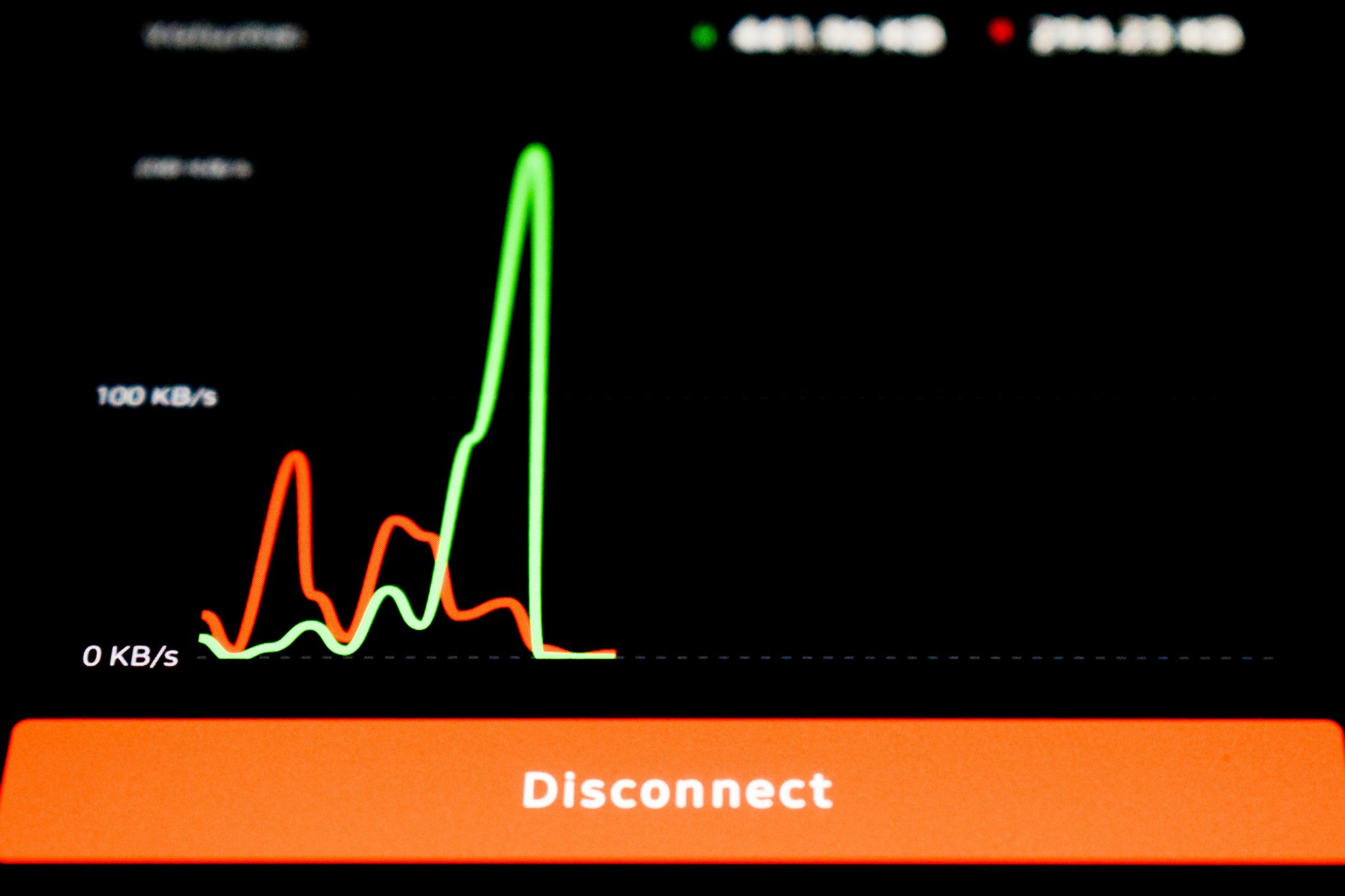
In today’s connected world, fast mobile internet is as essential as electricity. Whether it’s social media, digital payments, or remote work, speed defines convenience. However, many users often wonder why mobile internet is slower in Pakistan compared to neighboring countries. Despite technological progress, slow speeds remain a daily frustration. Let’s break down the real reasons behind it and explore what can be done to fix the problem.
1. Limited Infrastructure Development
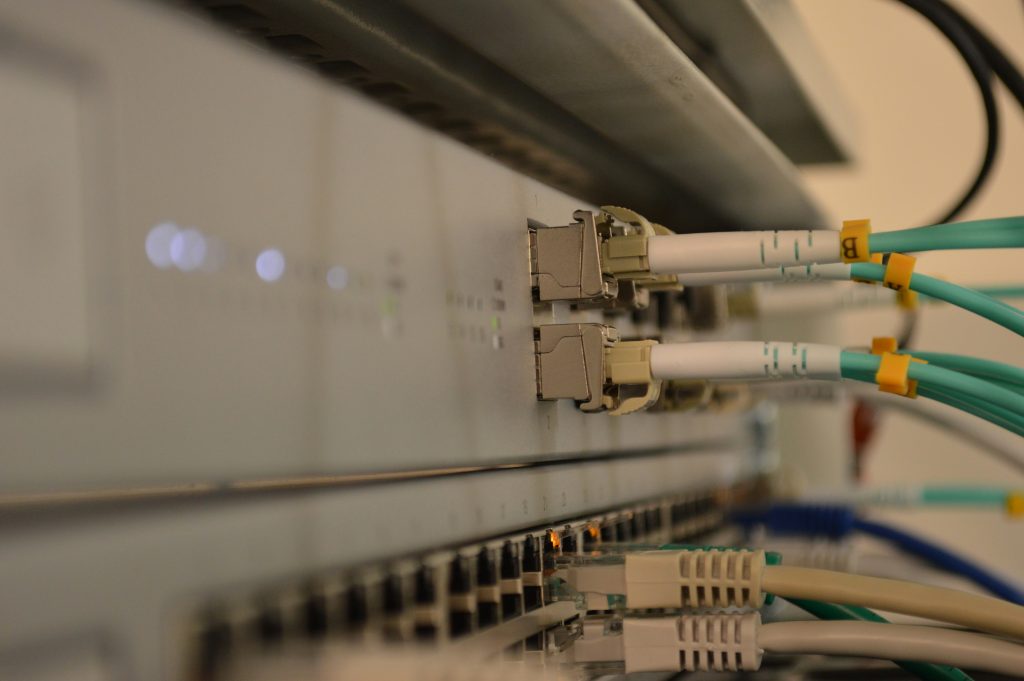
A major reason why mobile internet is slower in Pakistan is the country’s lagging infrastructure. While 4G networks have been available for years, Pakistan has yet to fully deploy 5G technology.
Rural areas, in particular, still rely on outdated 2G or 3G networks that simply can’t keep up with modern data demands. Without significant investment in upgrading towers and fiber backbones, internet speeds will continue to lag behind global standards.
2. Overloaded Spectrum and Network Congestion
Pakistan’s growing population means millions of users are sharing limited network resources. Mobile operators like Jazz, Zong, Telenor, and Ufone work with restricted frequency spectrums.
When too many users connect simultaneously, bandwidth congestion occurs, slowing everyone down. This imbalance between user load and network capacity is one of the main technical reasons why mobile internet is slower in Pakistan.
3. Government Regulations and Delayed 5G Rollout
Another major factor is regulatory delay. While several countries have already launched 5G or are in advanced testing phases, Pakistan is still finalizing policies and spectrum auctions. Strict regulations, slow approvals, and bureaucratic red tape discourage telecom investment.
Without quick and strategic decision-making, 5G rollout will remain out of reach, keeping users stuck on slower networks.
4. The Urban–Rural Digital Divide
The gap between urban and rural connectivity is another contributor. Cities like Karachi, Lahore, and Islamabad enjoy relatively stable internet speeds because telecom companies focus their investments there.
Meanwhile, rural regions remain dependent on weaker signals and outdated towers. This uneven development widens the digital divide, making it even more apparent why mobile internet is slower in Pakistan outside major cities.
5. High Taxes and Reduced Telecom Investment
Telecom operators in Pakistan face one of the highest tax structures in the region. Heavy taxation and licensing fees eat into their profits, leaving less room for reinvestment in infrastructure.
As a result, companies struggle to upgrade equipment or expand network capacity. Without consistent reinvestment, service quality suffers and internet speed slows.
6. Outdated Devices and Compatibility Issues
Sometimes, the problem isn’t entirely with the networks. Many users still rely on older smartphones that don’t support modern LTE bands or carrier aggregation technologies.
Even if the network can deliver faster speeds, such devices can’t process them efficiently. Upgrading to newer, compatible phones can make a noticeable difference.
Read More: Xiaomi 17 Pro Max Review
7. Power Shortages and Connectivity Interruptions
Pakistan’s frequent electricity outages also impact mobile network performance. When towers lose power and rely on limited backup systems, signal strength drops, and data speeds decrease.
These interruptions are particularly noticeable in rural and semi-urban regions where infrastructure support is weaker.
8. Network Providers and Service Variability
Pakistan’s major mobile networks such as Jazz, Zong, Telenor, and Ufone all fall under the regulation of the Pakistan Telecommunication Authority (PTA). While they provide nationwide coverage, users often report fluctuating speeds. On the broadband side, companies like Nayatel, Storm Fiber, and PTCL also face congestion and performance drops during peak hours. Consistency, rather than coverage, remains the biggest challenge.

The Way Forward
To overcome these challenges, Pakistan must focus on strong and future-ready telecom infrastructure. The government needs to expedite 5G spectrum auctions, incentivize investment, and modernize regulations to attract global telecom players. Expanding 4G coverage to rural regions and improving power stability are equally important steps.
For individual users, upgrading devices and selecting the most reliable service provider in their area can also enhance daily performance.
At JKmobiles, we aim to keep our readers informed about the challenges and progress shaping Pakistan’s digital future. Understanding why mobile internet is slower in Pakistan is the first step toward improving it—and together, better connectivity is within reach.
Join the Discussion
Have you experienced slow speeds with Jazz, Zong, Telenor, Ufone, or broadband providers like Nayatel, StormFiber, or PTCL? Share your experiences in the comments below and let us know which network performs best in your area.