
The Google Pixel 10 and Pixel 10 Pro hands-on review reveals that Google’s latest flagships lean heavily on software-driven intelligence. With the Pixel 10, Pixel 10 Pro, Pixel 10 Pro XL, and Pixel 10 Pro Fold, Google is showing that AI isn’t just a feature, it’s the foundation of its smartphone experience.
But while the company is focusing on making your phone smarter, the question remains: is this “too much Google”? Some of the new ideas are genuinely clever, but others feel experimental, as if Google is still figuring out what users really need from their phones.
A Familiar Design with Subtle Refinement
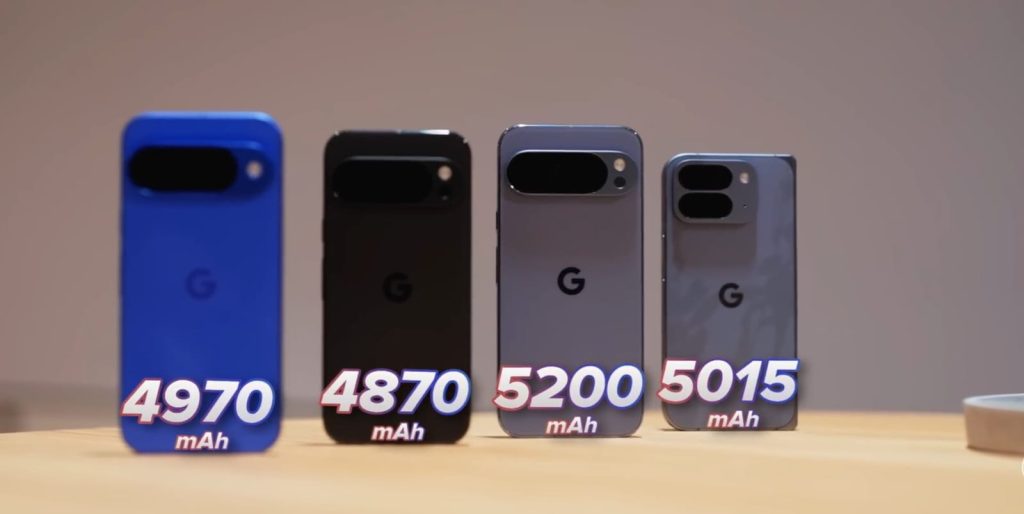
The new Pixel 10 lineup continues Google’s minimalistic design language but feels more premium this time. The phones are solidly built, with smoother finishes, tighter metal frames, and a refined look that gives off true flagship vibes. You’ll also find new colors, including an Ultramarine Blue shade inspired by the original Pixel but oddly similar to the iPhone 16.
Beyond looks, Google has made subtle but meaningful hardware upgrades. All Pixel 10 models now come with slightly larger 5,000mAh batteries, brighter displays, and improved stereo speakers. The addition of Qi2 magnetic charging finally introduces MagSafe-style compatibility to Android, making accessories and wireless charging far more convenient.
AI Everywhere: Google’s Obsession with Smart Features
Google is doubling down on its AI vision with the Pixel 10 series, introducing a suite of features that blur the line between phone and assistant. Some, like Camera Coach, offer genuinely practical help for photography, while others might feel a bit intrusive for experienced users.
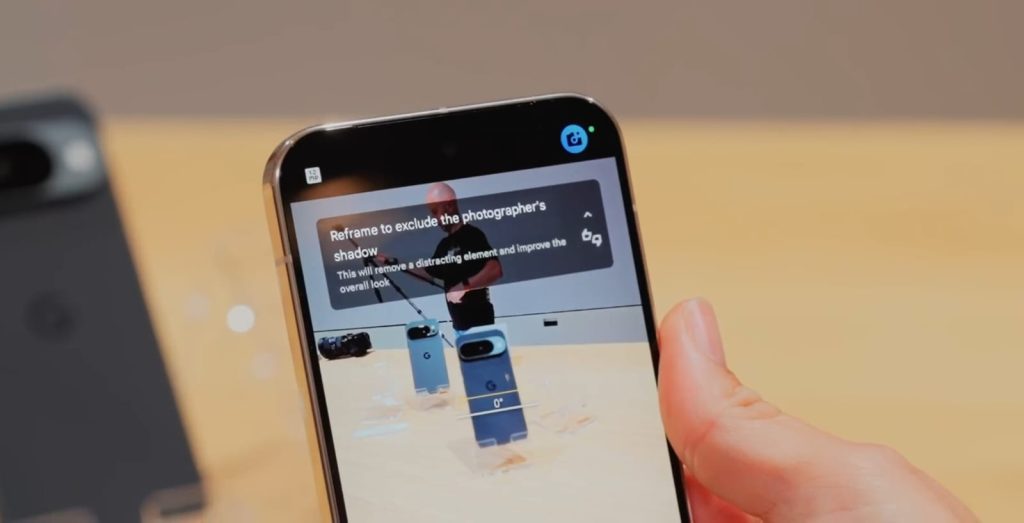
Camera Coach is designed to guide you while taking photos suggesting angles, lighting, and even posing ideas through AI-generated visuals. While this might help beginners or parents snap better pictures, photography enthusiasts may see it as unnecessary hand-holding from a phone that’s trying a little too hard.
Read More: From iPhone 11 to iPhone 17: What Apple’s Camera Evolution Teaches Us About Sales
Magic Q and Smarter Everyday Assistance
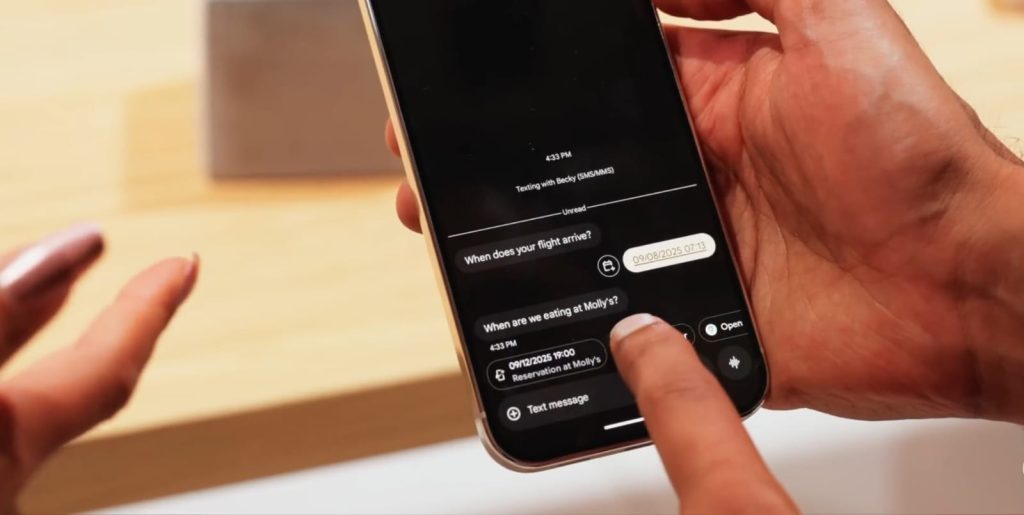
Magic Q takes Google’s proactive assistant to a new level by surfacing useful information at just the right time. For instance, if someone asks when your flight lands, Magic Q can pull details from your email and show them instantly, saving you from app-hopping. It can even identify the restaurant you’re calling and show your reservation time right on screen.
Read More: iPhone 17 Review: Hands-On with the Air, Pro, and Pro Max – Features, Performance, and Accessories
While it’s still limited and only works in select situations, the idea feels genuinely futuristic. It shows that Google wants the Pixel to be more than a responsive tool, it wants it to be predictive, understanding what you need before you ask.
New Apps: Ask Photos and Pixel Journal
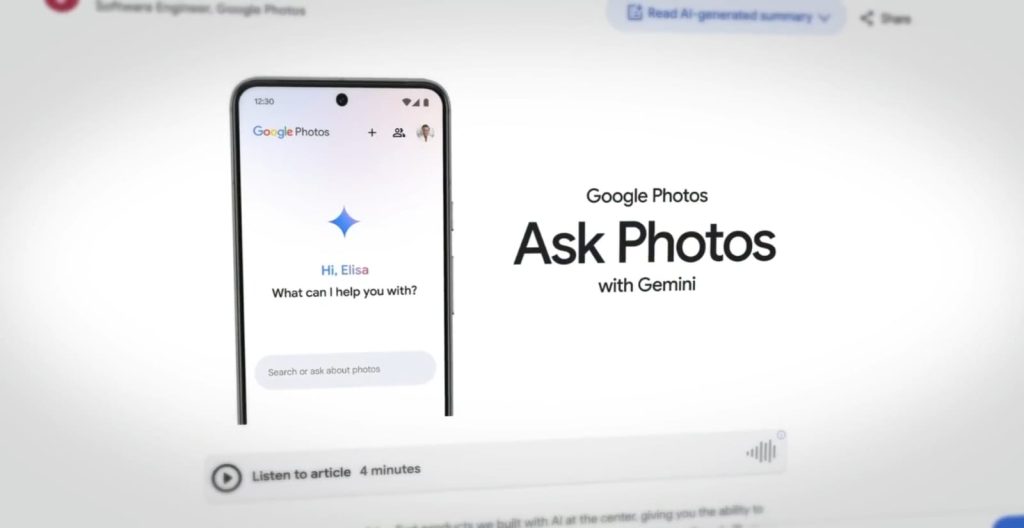
The Pixel 10 series debut two new apps that continue Google’s AI-first approach. Ask Photos lets users talk to their photo gallery like a chatbot, asking it to brighten images, remove objects, or tweak composition through natural language. It’s an exciting idea, but typing out commands for simple edits may feel more like extra effort than convenience.
Then there’s Pixel Journal, Google’s answer to Apple’s Journal app. It helps you record your thoughts, photos, and events while AI organizes and curates them. The only drawback? It’s currently limited to Europe and English users, reminding us of Google’s often-frustrating regional rollout policies.
The Camera Story: Familiar Hardware, Smarter Processing
When it comes to cameras, Google seems to have taken a “don’t fix what’s not broken” approach. The Pixel 10 Pro uses the same camera sensors as last year’s Pixel 9 Pro, but with refined stabilization and the ability to capture 50MP portraits. Unfortunately, portrait mode still struggles with edge detection, occasionally trimming out hair or even ears.
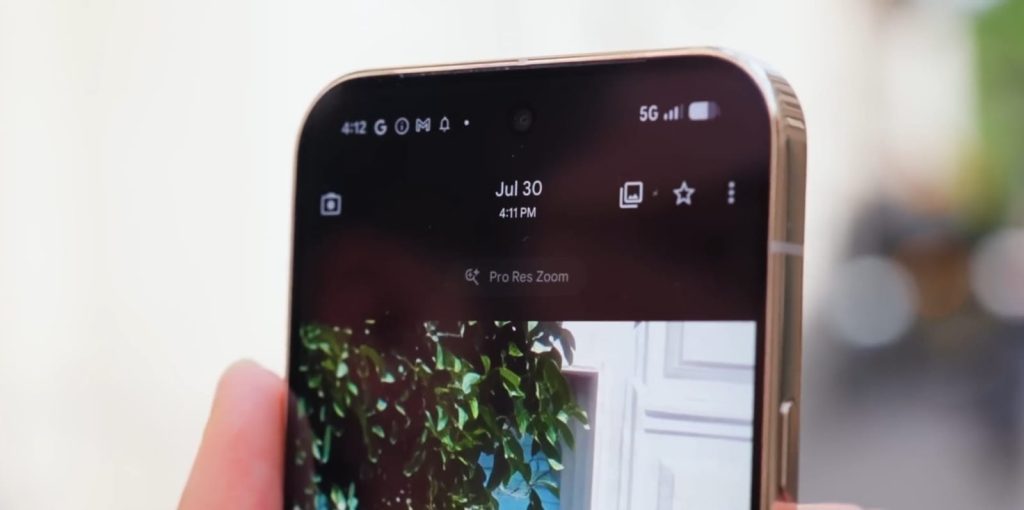
However, ProRes Zoom is a highlight. This AI-enhanced system pushes zooming to an impressive 100x, producing sharper and more natural-looking results than expected. Better yet, users can save both AI-processed and unprocessed versions, offering control over how much Google’s magic touches your photos.
Hardware and Performance: Still Playing Catch-Up
The new Tensor G5 chip brings noticeable improvements, with Google claiming 34% faster CPU performance and greater efficiency. Built by TSMC instead of Samsung, this shift promises better thermals and smoother battery performance, something Pixel fans have long been asking for.
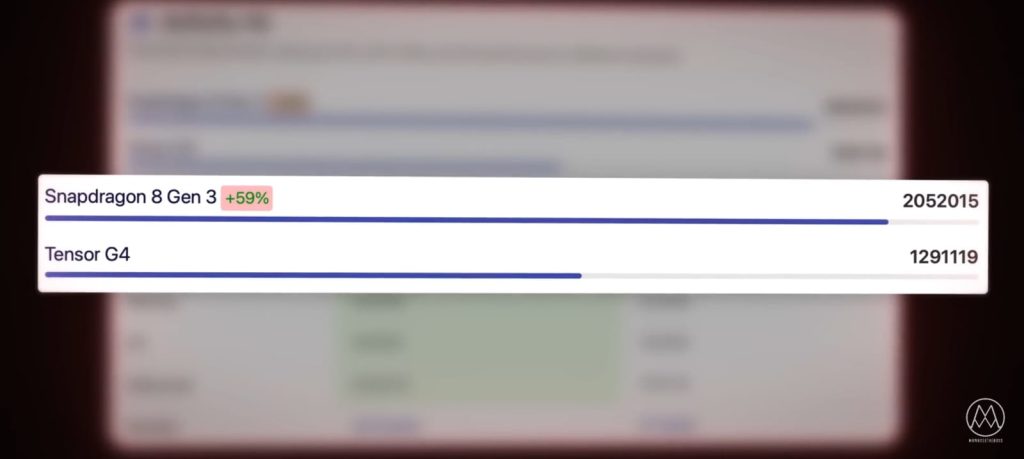
However, Google is still behind its Snapdragon rivals in raw power. The Tensor G5 narrows the gap slightly but doesn’t close it. What’s more disappointing is that the base storage still starts at just 128GB, even for the $999 Pixel 10 Pro, hardly “Pro” by today’s standards.
Voice Translate: Brilliant Idea, Rough Execution
Voice Translate is one of Google’s most ambitious features yet. The idea is that you can call someone who speaks another language, and the Pixel will instantly translate your voices in real time so you can both converse naturally.
In practice, it’s hit or miss. During early testing, the translations often misunderstood simple phrases and context. While it’s still in development, its current performance feels too inconsistent to rely on. Hopefully, future updates will fix this, because the potential is huge.

A Software-First Company Stuck with Hardware Limits
Google’s commitment to seven years of updates sounds great on paper. But it also encourages the company to ship features that feel half-baked at launch, with promises to “improve later.” For everyday buyers, this can feel frustrating, nobody wants to beta-test their $1,000 phone.

This issue is amplified by Google’s modest hardware. The cameras, while good, are no longer industry-leading, and the performance gap continues to grow. The result is a phone that feels brilliant in concept but incomplete in execution, a story all too familiar for the Pixel series.
Pixel 10 Pro Fold: Progress, But Still Behind
The Pixel 10 Pro Fold finally achieves IP68 water and dust resistance, setting a new standard for Google’s foldables. The hinge feels sturdy, and the build quality is solid, giving the impression of a well-engineered device.
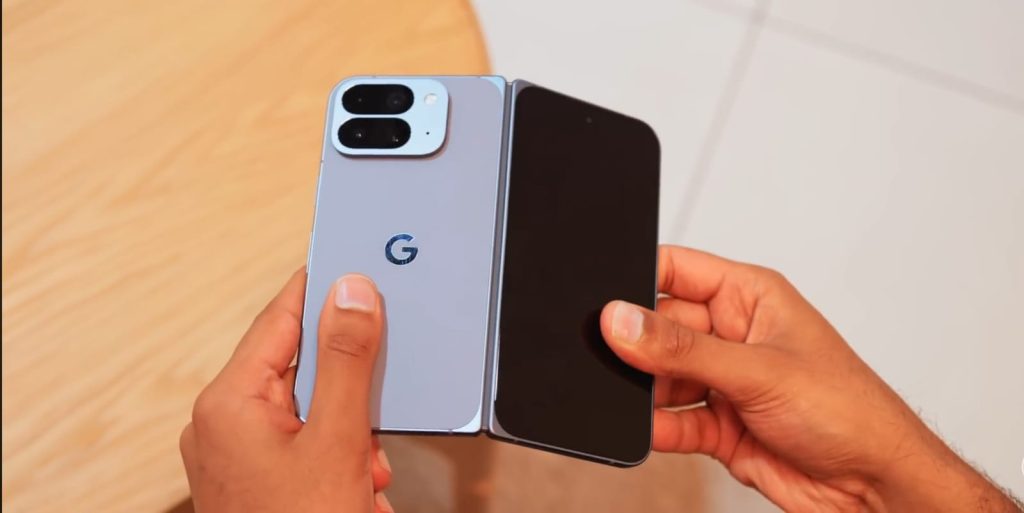
However, it’s still bulkier than competitors, with thicker bezels and a slower chip under the hood. At $1,799, it’s hard to justify when other brands offer sleeker, faster, and more refined foldables for similar prices.
Final Verdict: A Smarter, Not Stronger Pixel
The Google Pixel 10 and Pixel 10 Pro hands-on review makes one thing clear; Google is betting everything on AI. Features like Camera Coach, Magic Q, and ProRes Zoom show incredible innovation, while MagSafe-style charging finally modernizes the lineup.
But despite all that intelligence, the Pixel 10 series don’t feel like a true hardware leap. The Tensor chip still trails behind, and many new features feel unfinished. If you love Google’s smart ecosystem, this is a glimpse of the future but if you want raw performance today, you might still look elsewhere.